
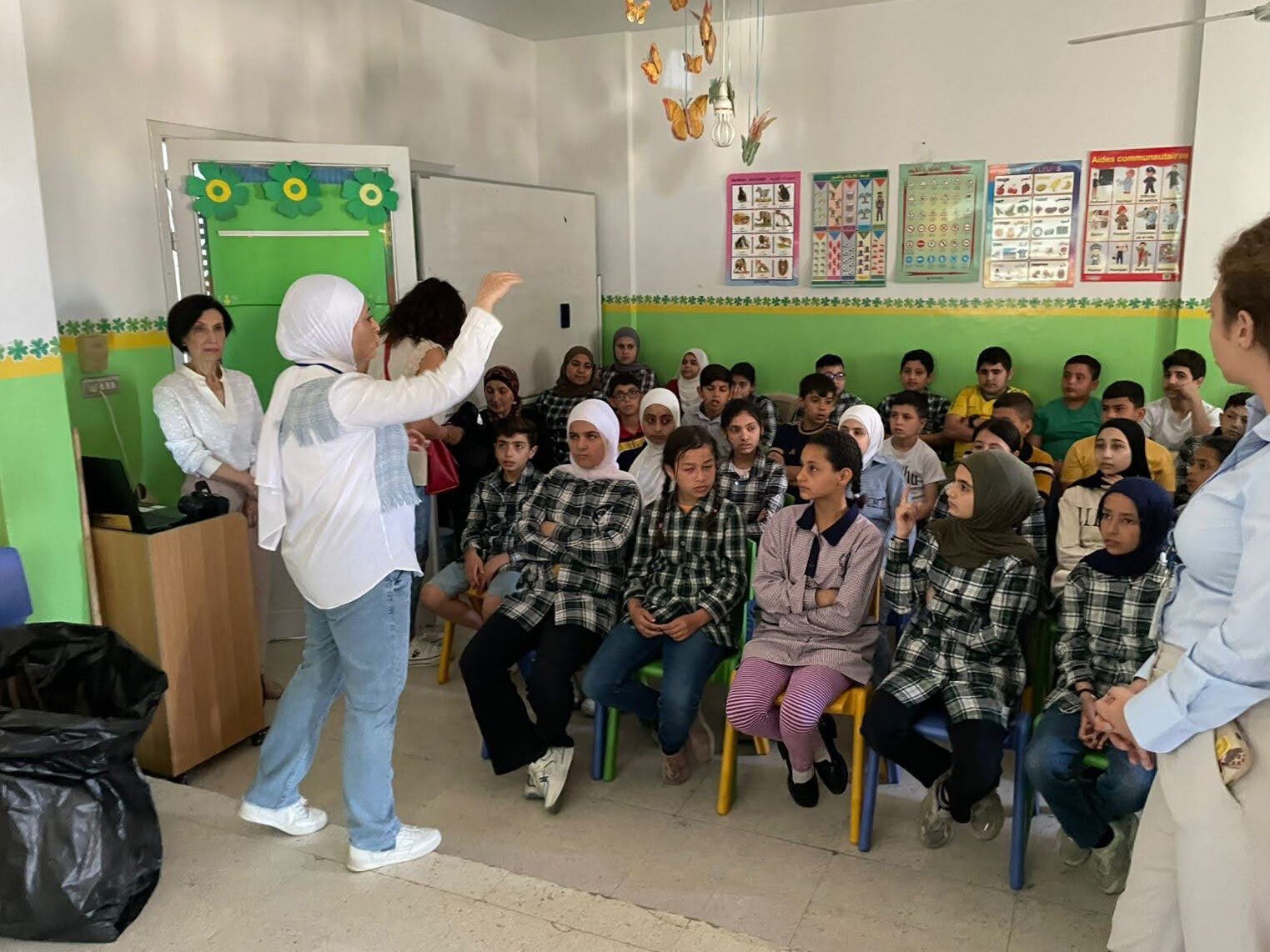
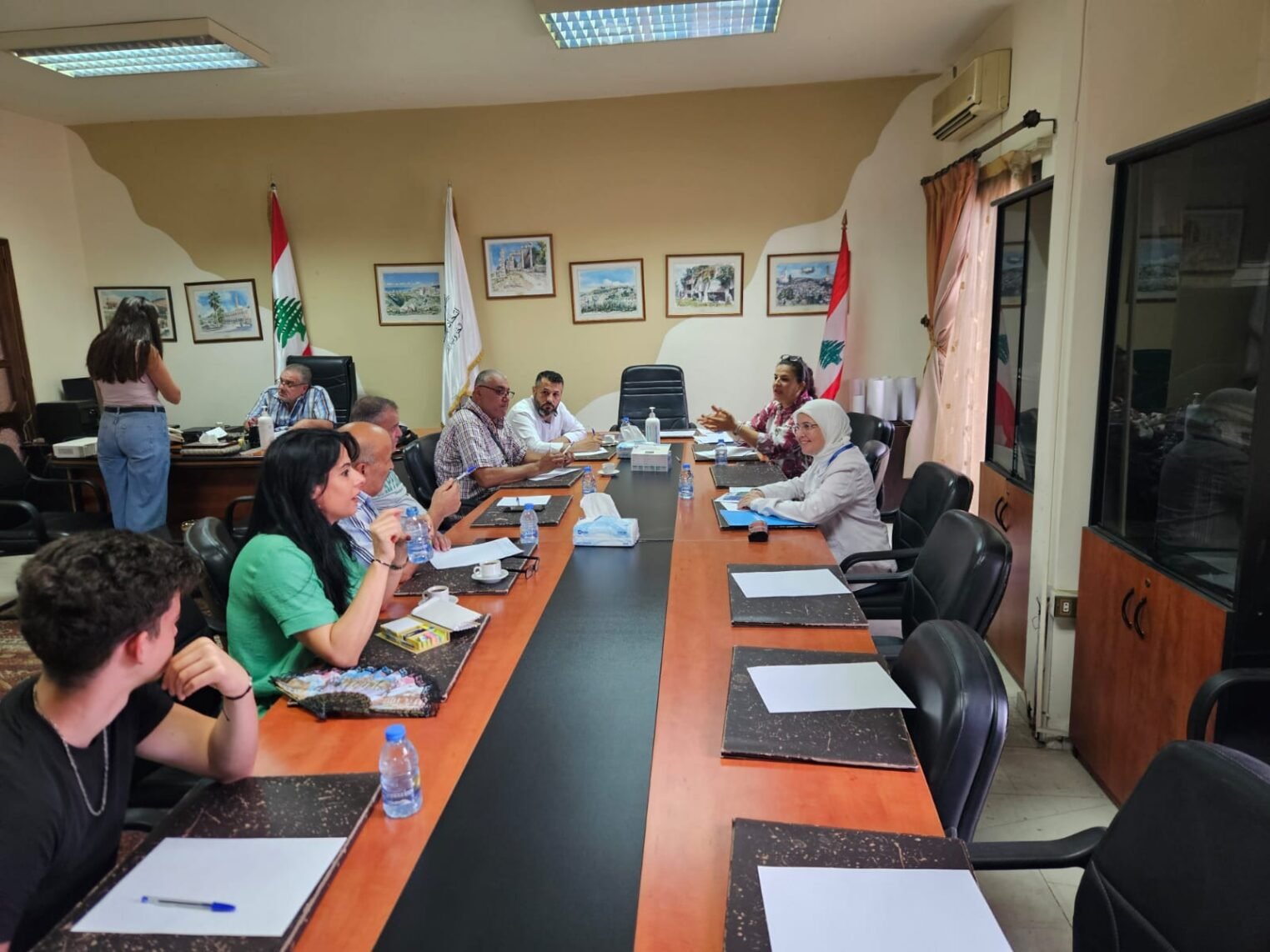
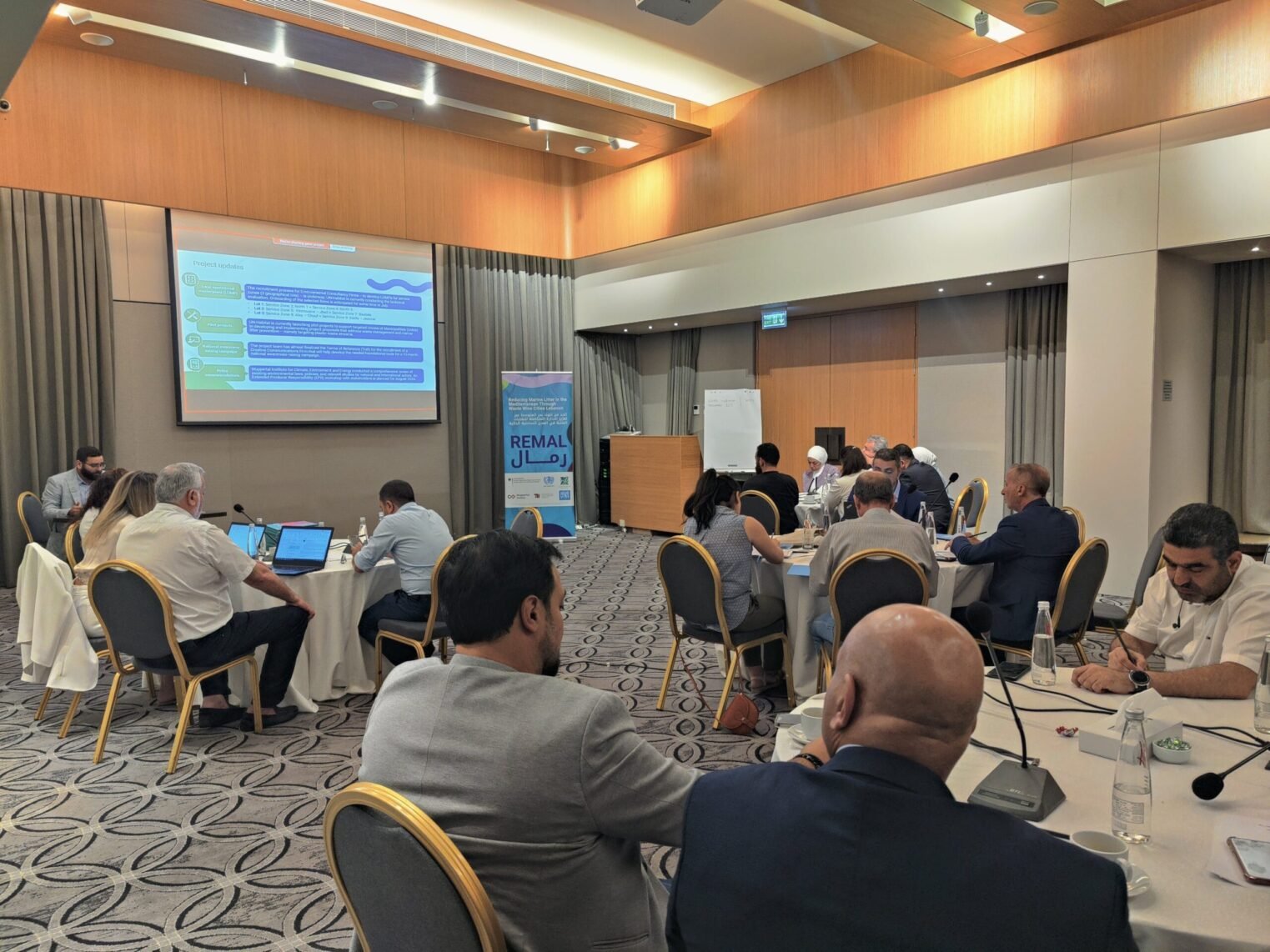
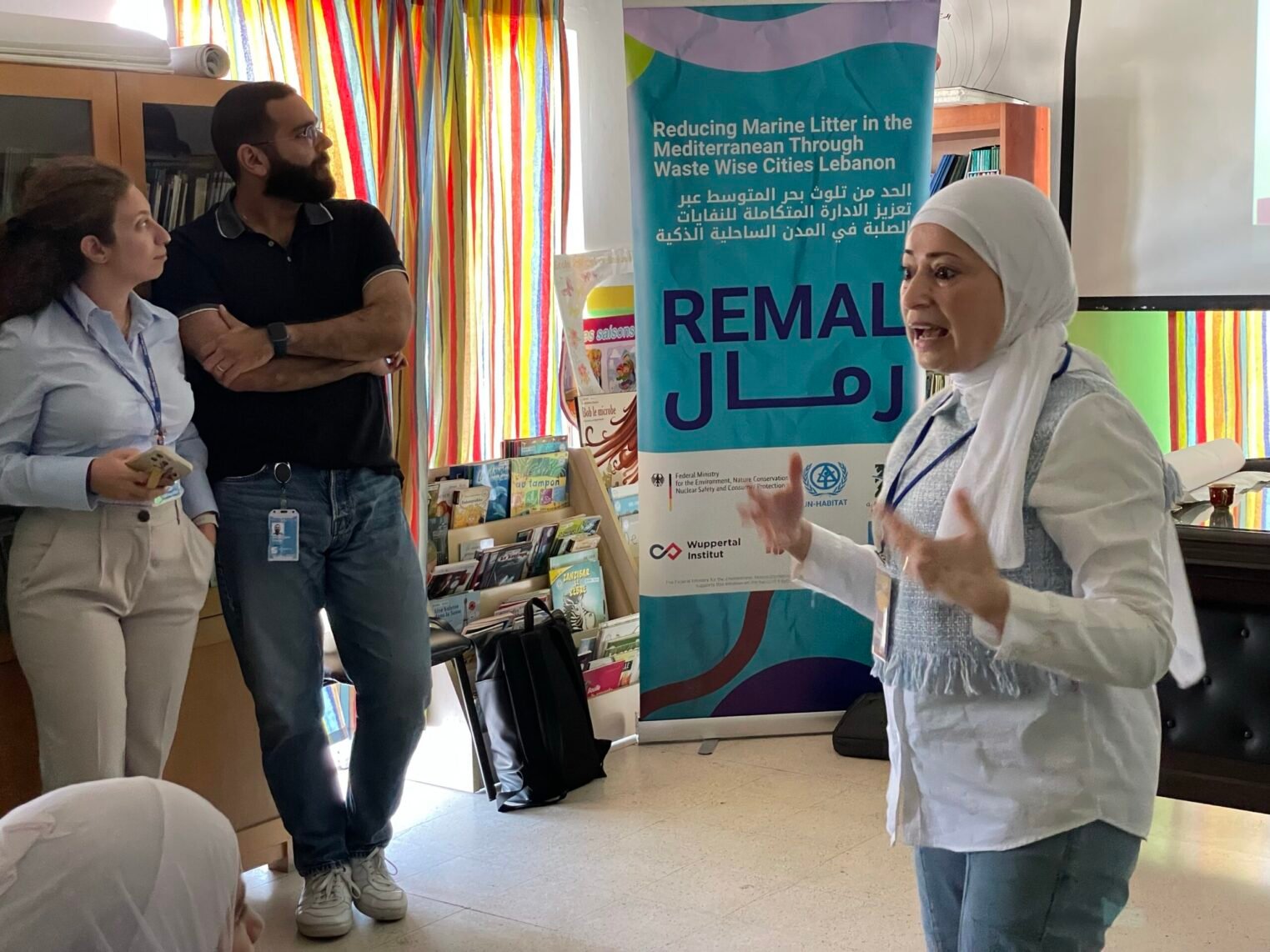

Overview
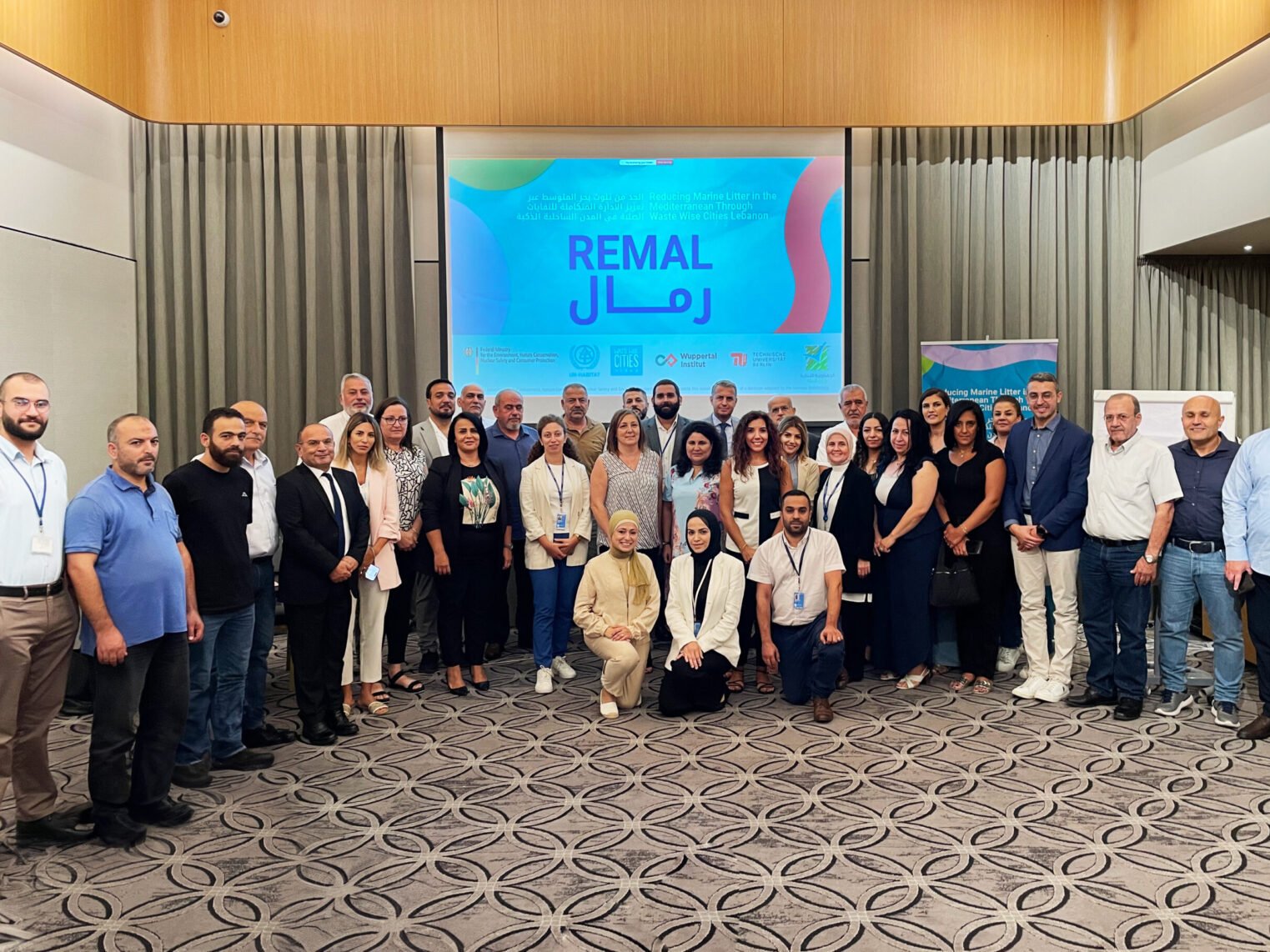
The REMAL project, funded by the Federal Ministry for the Environment, Climate Action, Nature Conservation and Nuclear Safety (BMUKN), aims to reduce marine litter in Lebanon by supporting coastal Unions of Municipalities and the national government in implementing the Integrated Solid Waste Management Law of Lebanon – Law No. 80 (2018). The project adopts UN-Habitat’s Waste Wise Cities Tool (WaCT) and focuses on developing service zone-level Local Operational Master Plans, implementing pilot projects, raising public awareness, and proposing policy recommendations—particularly in relation to plastic waste management. Over the long term, the project seeks to improve resource efficiency and municipal solid waste management in Lebanon’s coastal areas.


Solid Waste Management Local Operational Master Plans
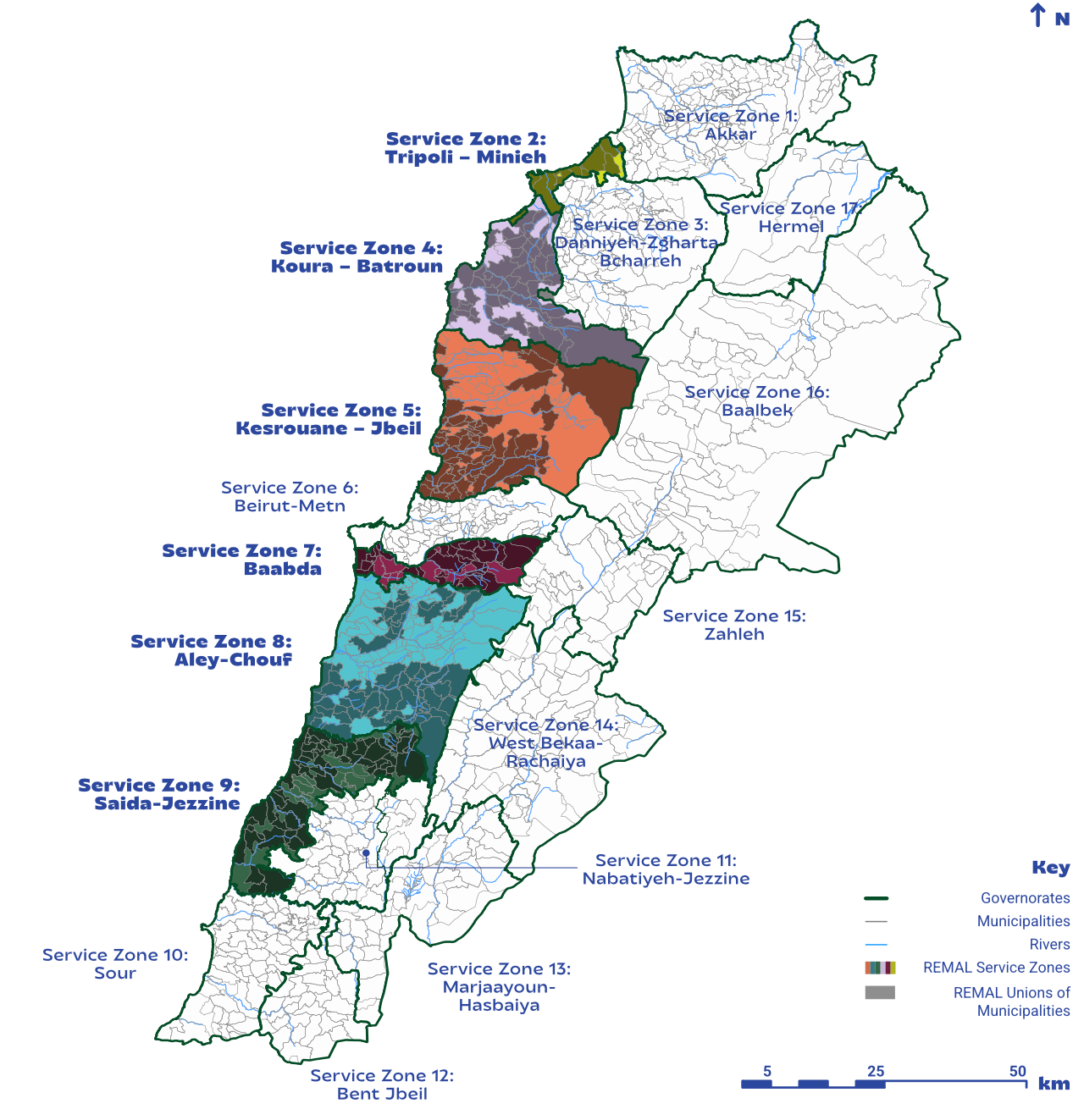
The REMAL project supports the Ministry of Environment in advancing Lebanon’s decentralisation efforts by developing Solid Waste Management Master Plans for coastal Service Zones and assisting in the formulation of actionable, sustainable, and financially viable operational plans for waste management services.
Data source: UN-Habitat Lebanon, 2025. Image: REMAL.
*Disclaimer: The boundaries and names shown and the designations used on this map do not imply official endorsement or acceptance by the United Nations and the REMAL project.
National Solid Waste Management Snapshot (2022)
of waste treated in authorised treatment facilities
of solid waste disposed of in sanitary landfills
of waste openly dumped

Pilot Projects
Overview of pilot projects implemented in the ReMaL service zones.
Peer Learning & Good Practices
Collection of learning materials and good practices put together during the REMAL project.

Campaign
Raising awareness is a key part of reducing waste, and REMAL has launched several awareness-raising campaigns.

Legal Framework & Financing
The national strategy of the state of Lebanon and how REMAL and other projects are contributing.

Complaint Mechanism
The IKI Independent Complaints Mechanism (ICM) serves as an important tool to address potential negative social and environmental impacts of International Climate Initiative (IKI) projects. It offers a platform for reporting instances of corruption, improper fund usage, and ensures adherence to international best practices. Complaints can be lodged via email to the IKI Independent Complaint Mechanism at IKI-complaints@z-u-g.org, in either English or the complainant’s national language. If possible, including an English translation is encouraged; however, if unavailable, the ICM will undertake the translation and respond in the language of the complainant.
