Cedar Environmental
Cedar Environmental is a leading Lebanese environmental engineering firm that has pioneered zero-waste solutions across the country since 1999. The company has developed innovative, locally adapted interventions that transform municipal and industrial waste into useful products and sustainable infrastructure.
Its hallmark innovations include EcoBoard—a recycled plastic panel system that replaces wood or steel in construction and urban applications—composting systems for organic and slaughterhouse waste, and novel waste collection methods such as the Green Glass Recycling Initiative. Cedar Environmental also deploys street recycling bins across Beirut and Mount Lebanon, integrates vertical farming units and green walls made from recycled plastics, and manufactures functional urban fixtures—ranging from furniture to manhole covers—using reclaimed materials.
By combining practical engineering with social engagement, Cedar Environmental offers scalable, low-cost waste solutions that reduce environmental burdens while advancing circular economy models throughout Lebanon.
Developed EcoBoard technology using recyclable plastic
Designed and implemented institutional composting systems (e.g., for slaughterhouses)
Launched the Green Glass Recycling Initiative – Lebanon (GGRIL)
Installed street recycling bins across urban areas
Created urban infrastructure from recycled plastics (e.g., furniture, green walls, fencing, solar panel mounts)
Delivered public awareness campaigns, including thousands of school talks and community engagements
Name of organisation
Cedar Environmental
Operation period
1999 – present
Location of headquarters
Beirut, Lebanon
Scope
National (Lebanon) with community-level and municipal implementations
Focus areas
Zero-waste strategies, municipal solid waste solutions, resource efficiency, and public awareness
Target waste stream(s)
Organic waste, plastic bags/scrap, glass, expired pharmaceuticals, industrial and municipal waste
Primary funding sources
Private
Target groups
Municipalities, private companies, schools, households, informal waste workers, general public
Website
Diverted large volumes of plastic, organic, and glass waste from landfills
Replaced conventional materials with low-cost, sustainable alternatives
Built awareness and community involvement in waste management
Integrated informal waste actors into formal systems (via collection and recycling infrastructure)
People
Engagement with local authorities, private sector partners, and communities; Commitment to outreach and education, especially among youth and municipal stakeholders
Technology
Strong technical expertise in environmental engineering and zero-waste systems (e.g., dynamic composting systems, EcoBoard processing innovations)
Finance
Sustainable revenue from product sales and municipal contracts
Regulations & Policies
Decentralised model minimises reliance on national infrastructure
Localised, low-cost solutions can outperform imported ‘one-size-fits-all’ approaches
Combining engineering solutions with community engagement amplifies impact
Innovation gains traction when packaged with practical, scalable applications
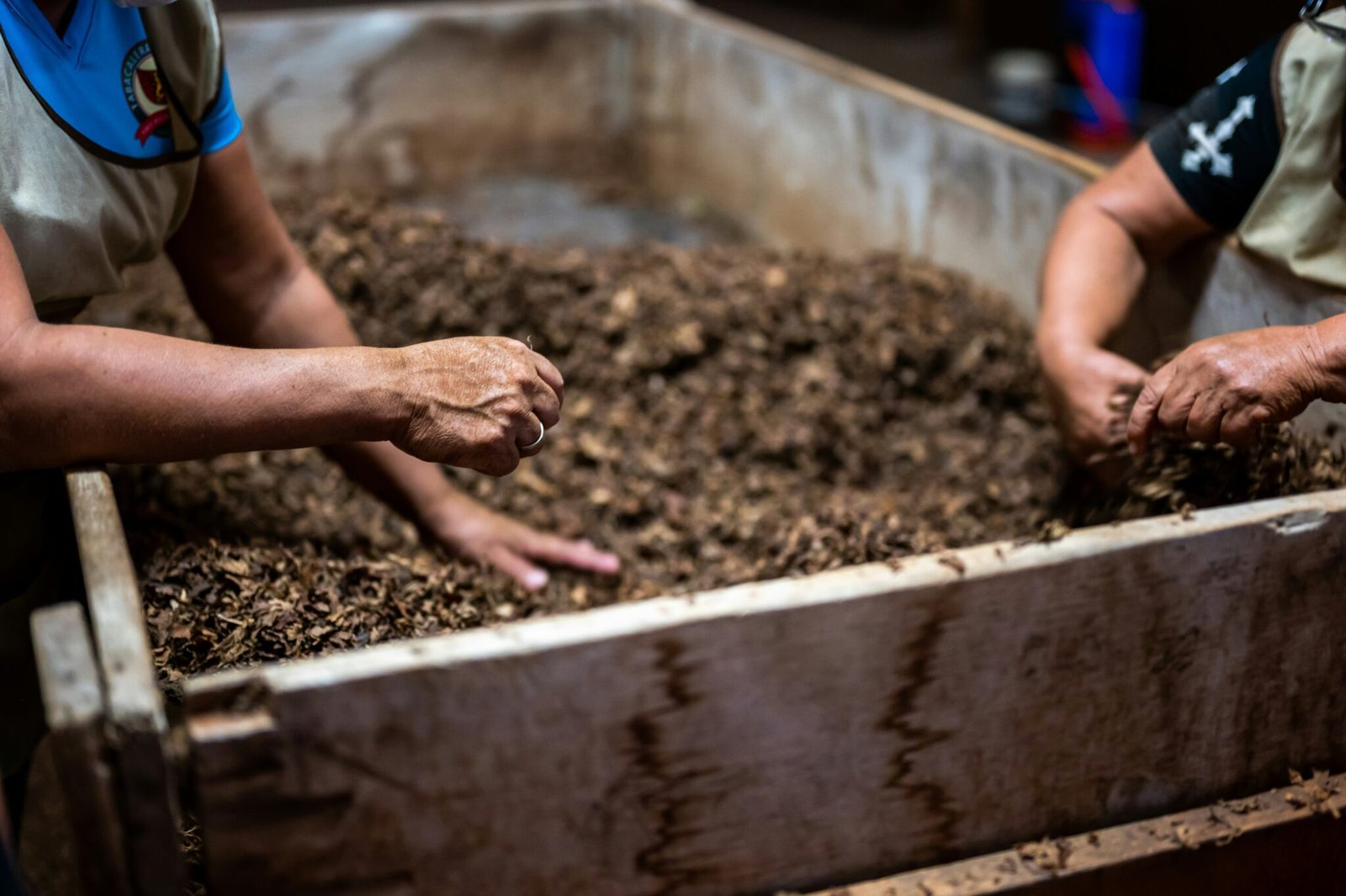
1. Assess local waste streams: Identify plastic, organic, or glass waste flows suited to conversion into value-added products
2. Begin a pilot project at small scale (e.g., a school or municipal facility)
3. Engage stakeholders: Collaborate with local councils, schools, and informal workers from the outset
This case study is shared for educational purposes and to inspire replication of good practices in Lebanon and beyond. Content is based on publicly available information and may be updated upon request by the project owners.