As part of the Reducing Marine Litter in the Mediterranean through Waste Wise Cities Lebanon (REMAL) project, a large-scale community awareness campaign on waste management and marine litter reduction was successfully implemented across the Sahel El Zahrani Union of Municipalities between 28 May and 15 August 2025.
Covering all 18 municipalities of the Union, the campaign placed particular focus on the communities of Ansariyeh, Loubiyeh, Ghassaniyeh, Bebliyeh, Zrariyeh, and Aadloun. The initiative aimed to strengthen environmental awareness, encourage waste sorting at source, and support efforts to reduce litter leakage into the Mediterranean Sea.
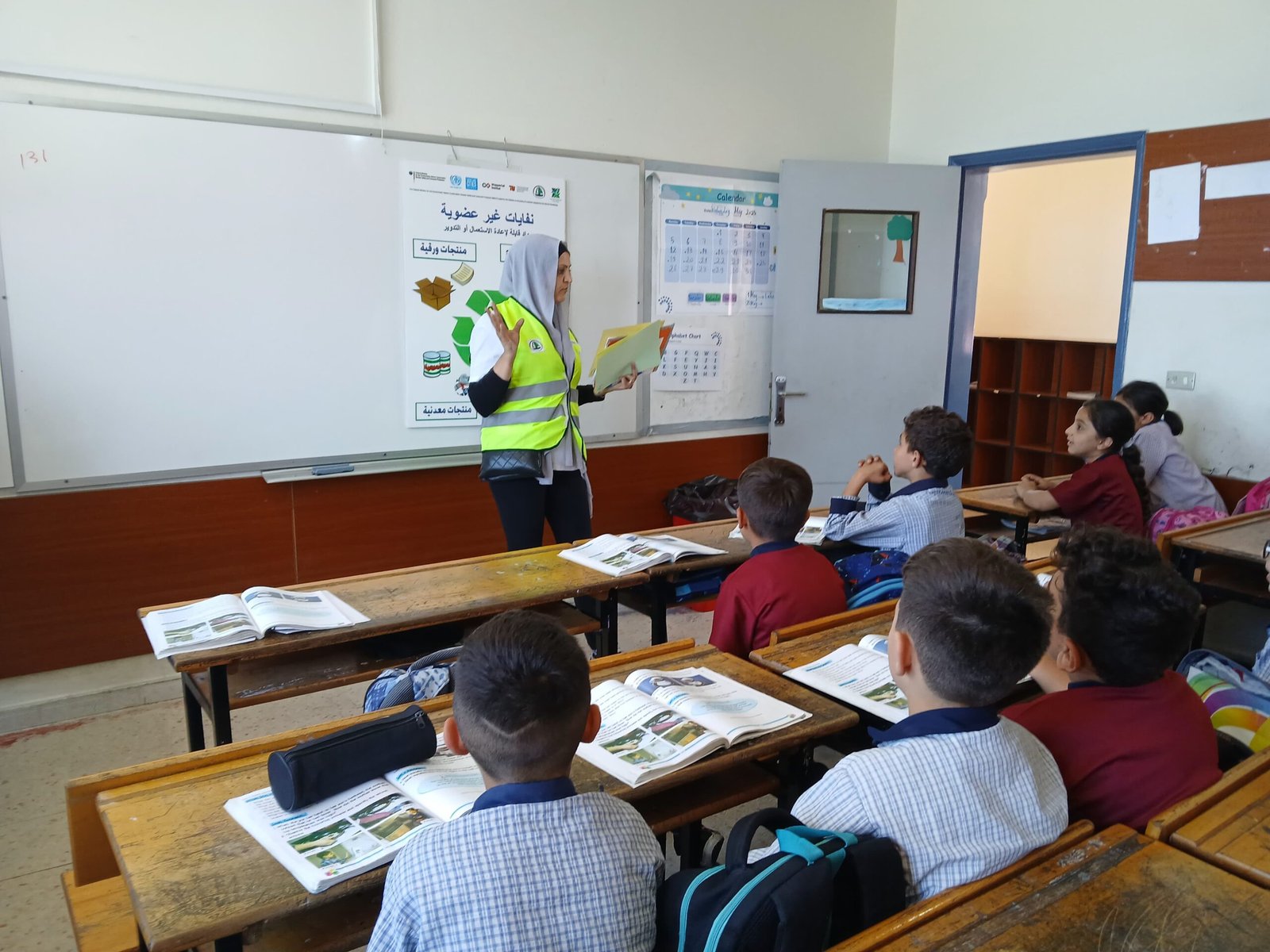
The campaign adopted a Training of Trainers (ToT) model to ensure long-term local impact. Eight female trainers were selected through a formal process and received specialized training on 26 May 2025. Following the training, they led awareness sessions in schools and communities throughout the region.
Over the course of the campaign, a total of 250 awareness sessions were delivered. This included 154 school sessions, reaching 2,869 students (1,398 boys and 1,471 girls), and 96 community sessions, engaging 787 participants (331 men and 455 women). Activities targeted a wide range of groups, including students, households, shop owners, restaurant staff, municipal workers, and local residents.
Interactive learning methods, practical demonstrations, and visual materials were used to make sessions engaging and accessible. Key topics included proper waste sorting, litter prevention, environmental responsibility, and the importance of protecting coastal ecosystems.
Overall, the campaign reached 3,656 beneficiaries and generated strong participation across the Union. Feedback from schools and communities was highly positive, with increased awareness of sustainable waste practices and stronger local ownership of environmental action.
Through initiatives such as this, the REMAL project continues to support municipalities and communities in building cleaner, healthier, and more resilient coastal areas in Lebanon.