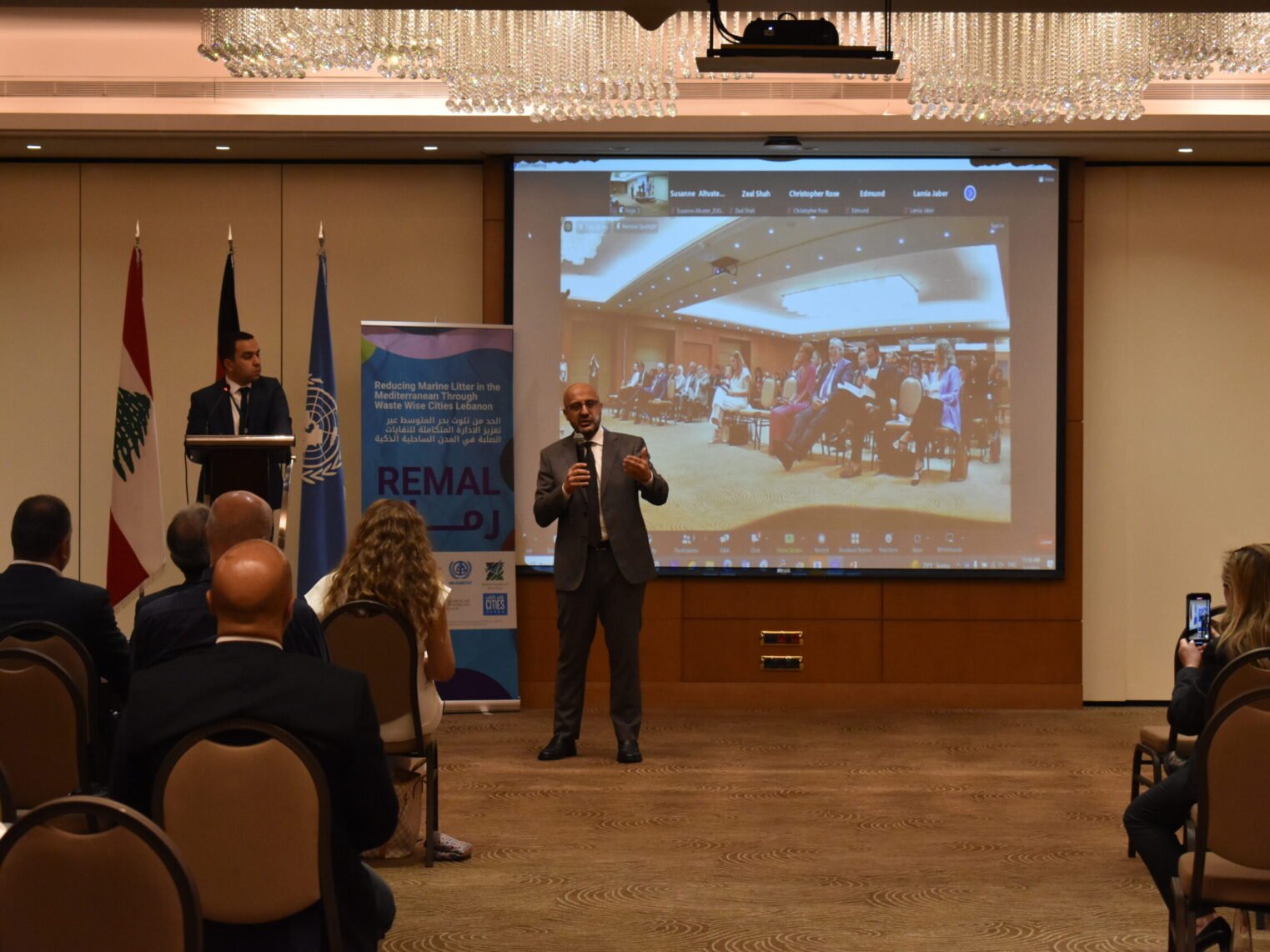
Within the REMAL project, we are actively promoting sustainable change in the solid waste management sector across Lebanon’s coastal municipalities through targeted pilot projects and awareness-raising campaigns.

Pilot Projects

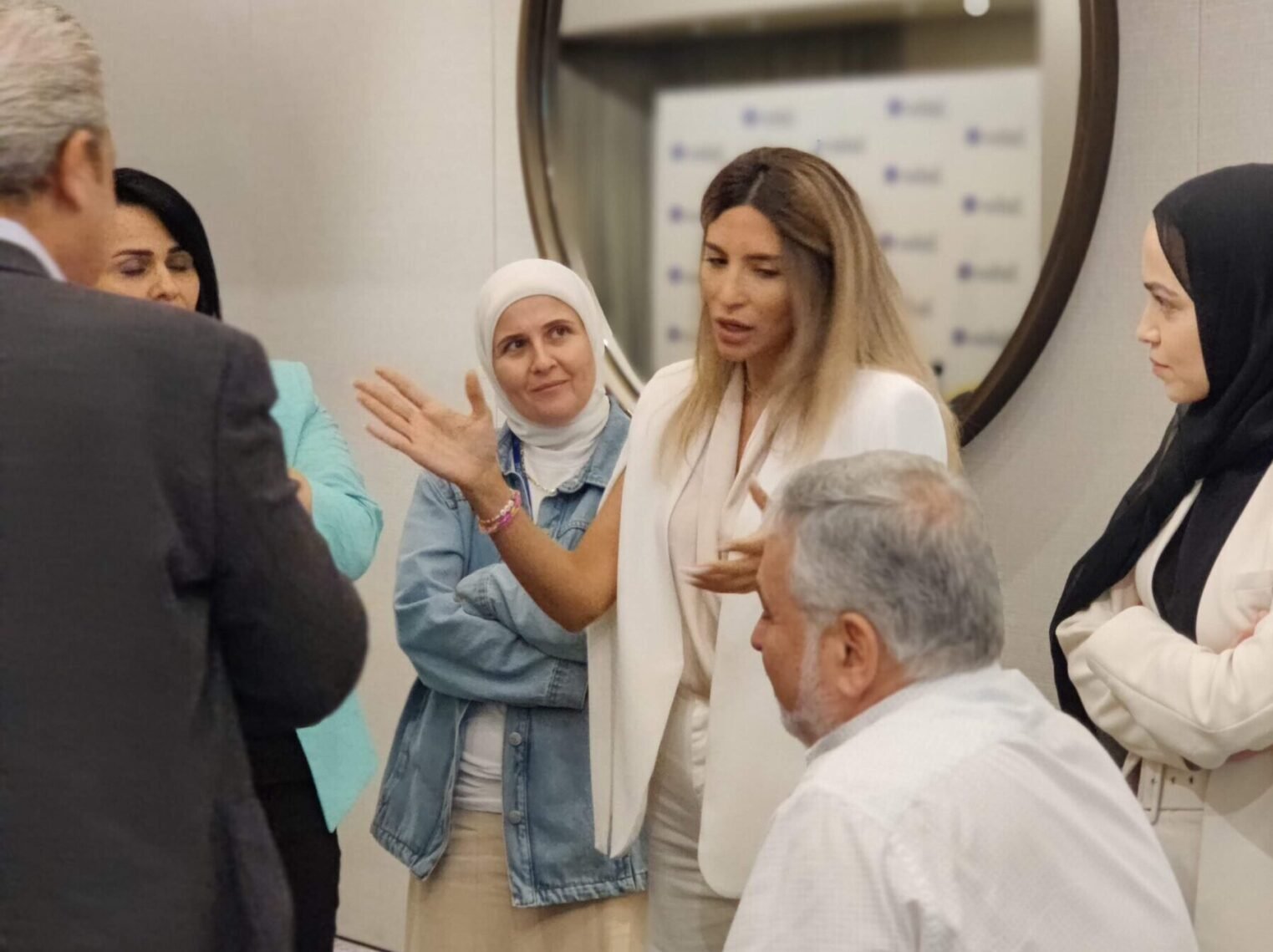
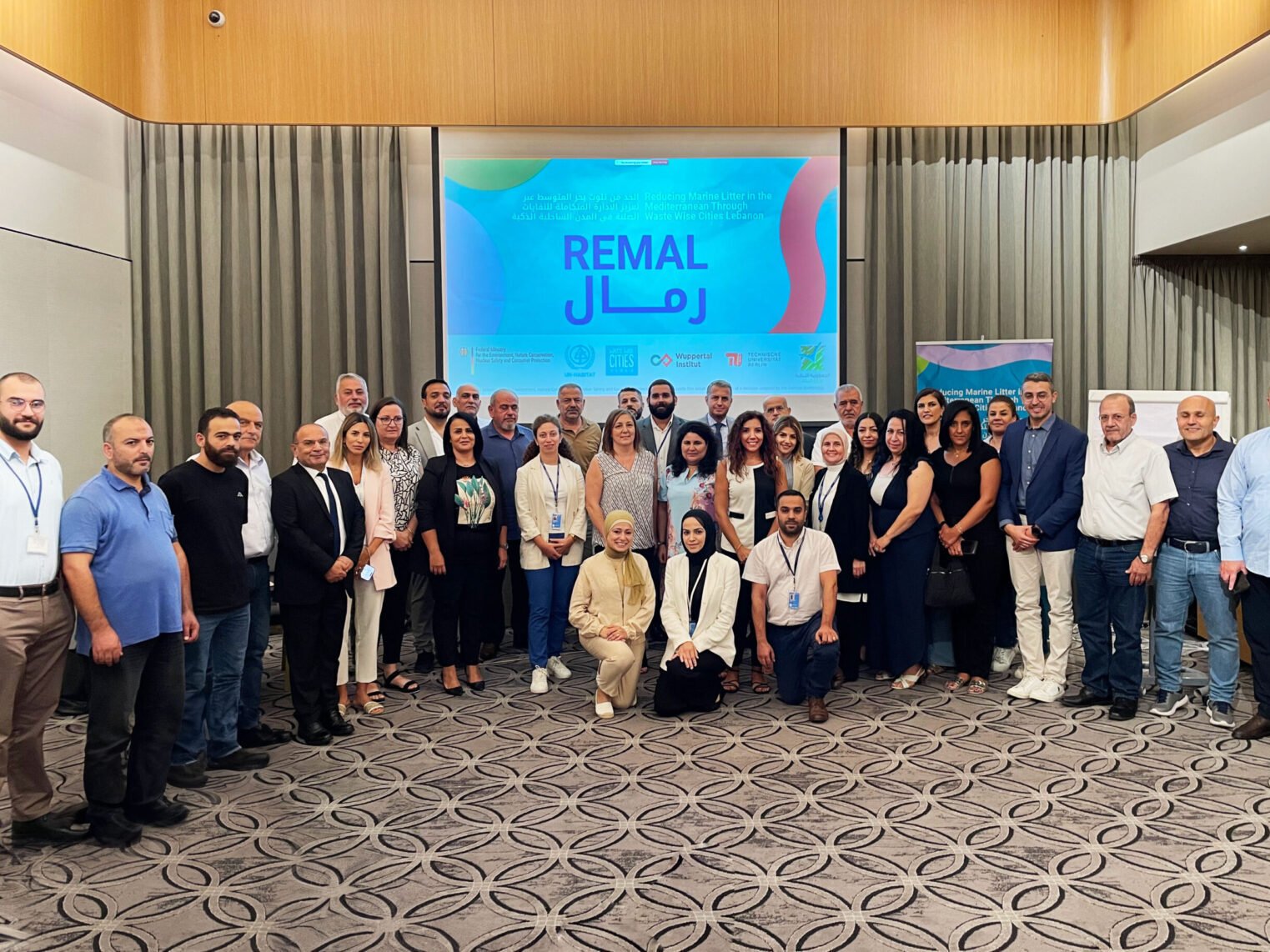
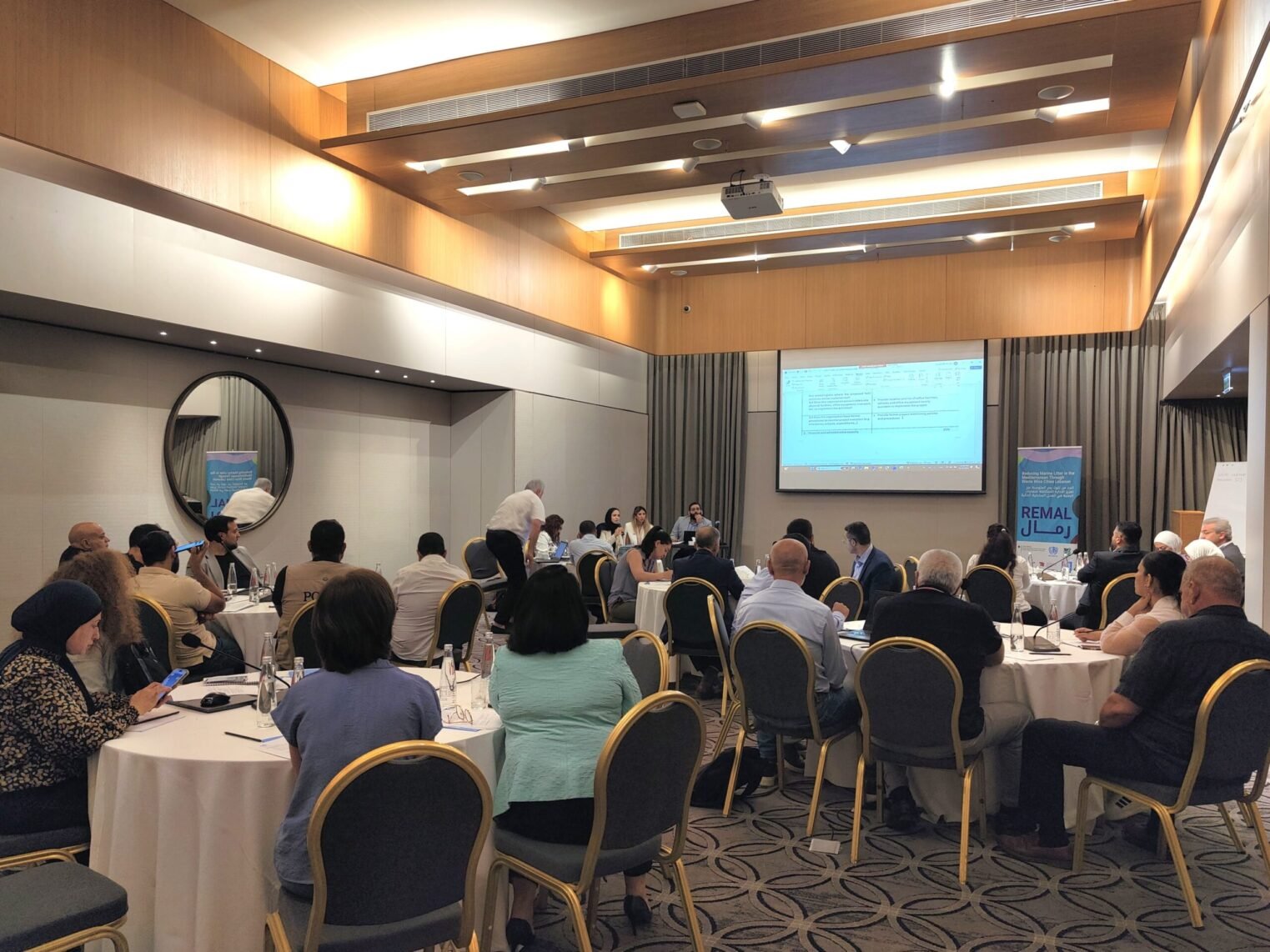
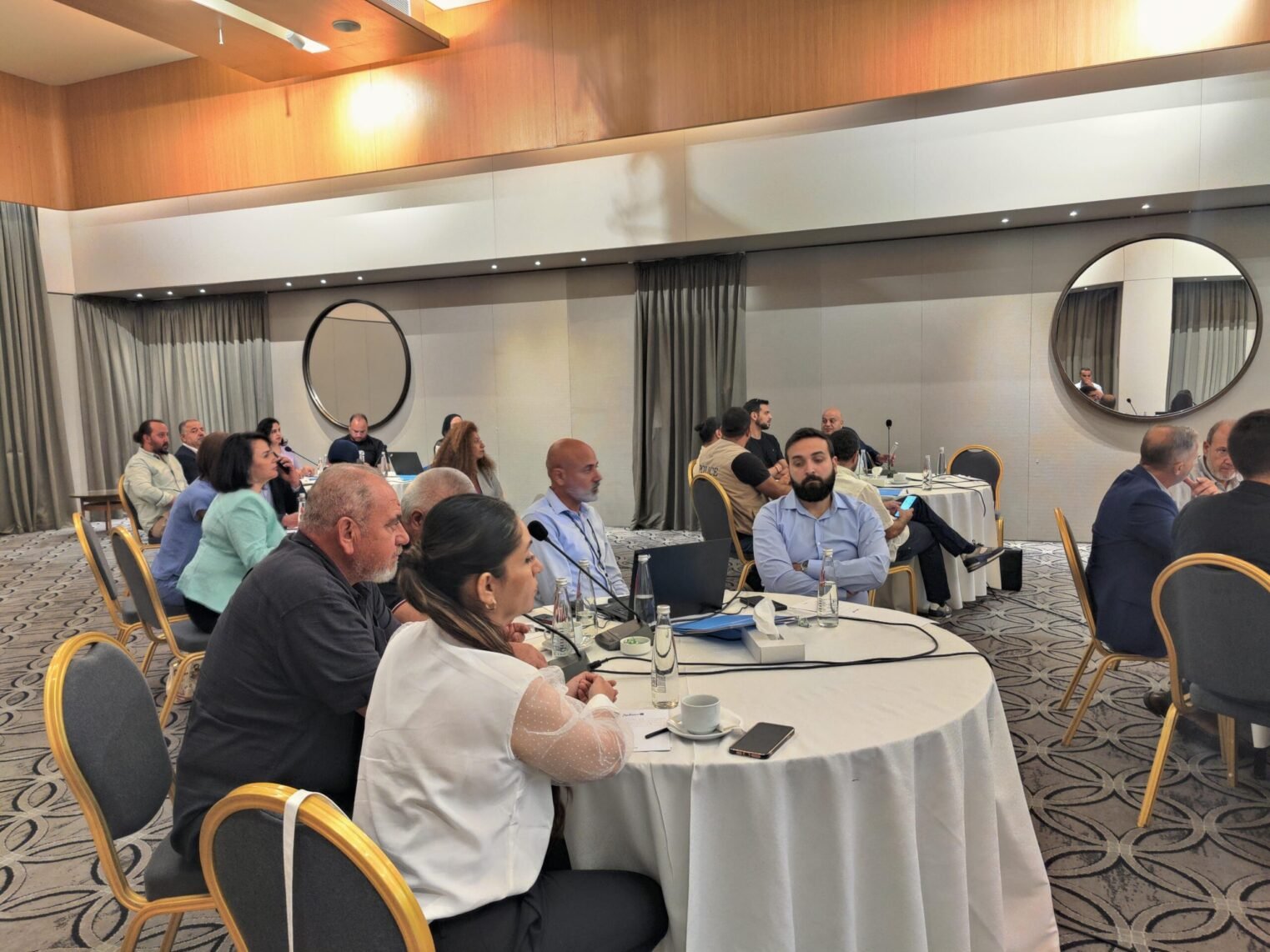
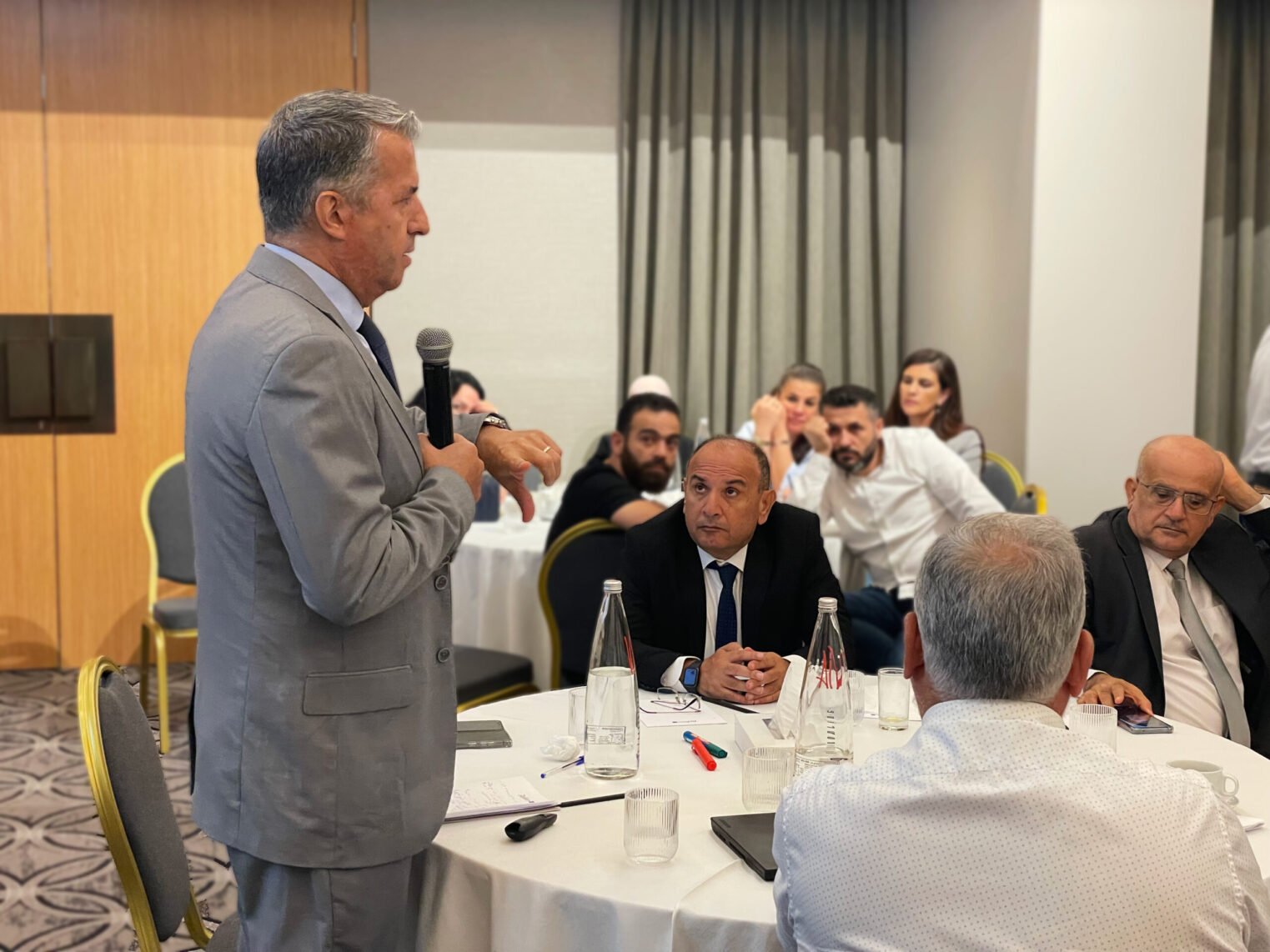
Pilot projects are implemented within each Union of Municipalities (UoM) based on targeted interventions identified through stakeholder workshops. These initiatives focus on improving waste management practices and reducing marine litter in line with local priorities. Continuous technical support and capacity-building are provided to UoMs and their local partners to ensure effective implementation, community engagement, and the long-term sustainability of the interventions.

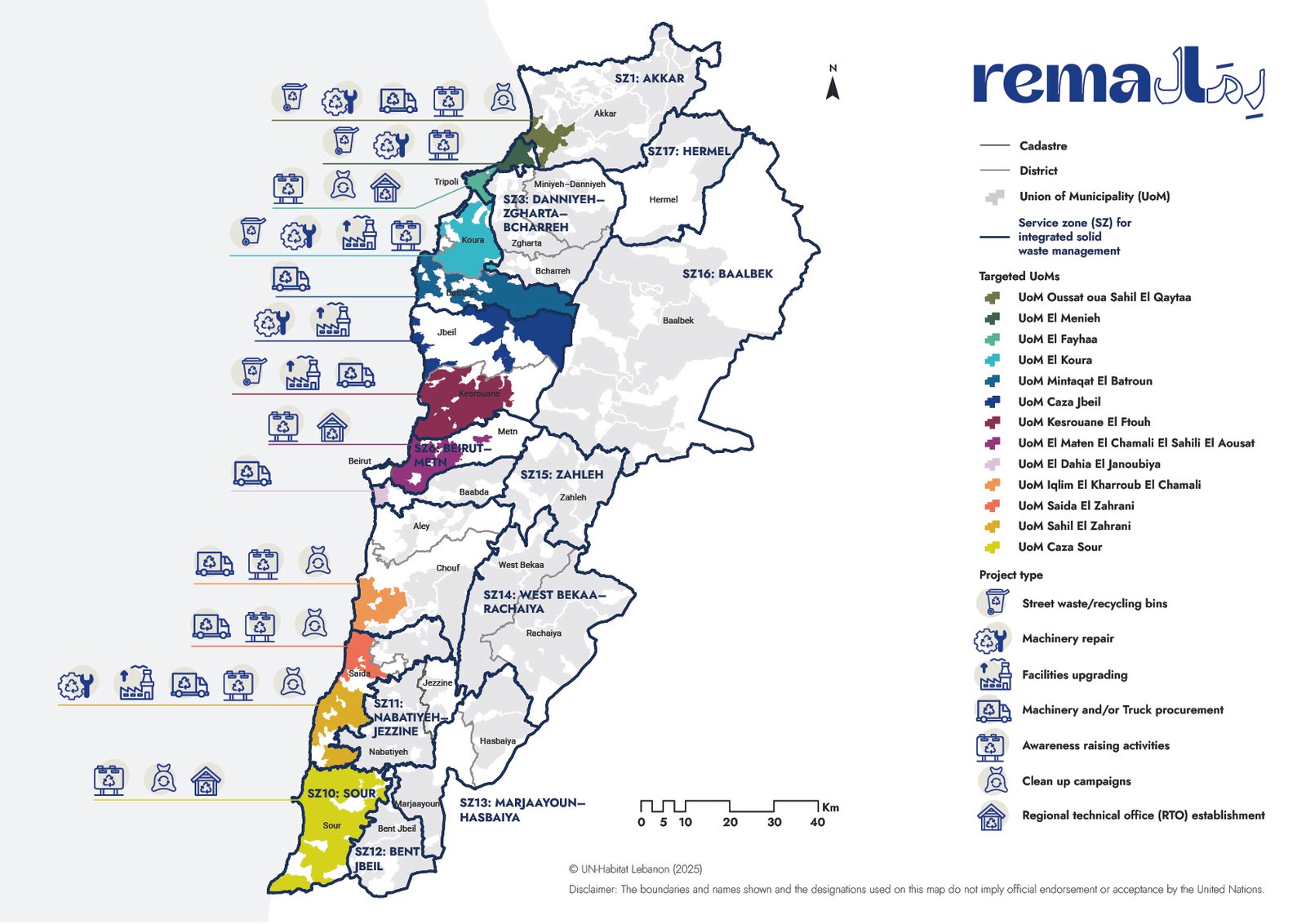
Expected outcome

65

informal workers engaged in the pilot projects

5%

reduction in plastic waste disposed in open dumps

Campaign

A national awareness campaign was launched to address the growing challenges of solid waste and marine litter in Lebanon, encouraging local authorities and communities to take proactive steps to reduce their plastic footprint. The campaign promotes behavioural change and mobilises community action to prevent waste leakage into the environment and the sea.

As part of this effort, a series of awareness-raising activities were carried out across Lebanon, targeting diverse groups and including:

  • Educational marine visits

    Interactive trips aboard the CANA CNRS-L Research Vessel for children aged 11–14, designed to bridge knowledge gaps in marine research and conservation.

  • Fishermen cooperative outreach

    Awareness activities addressing the effects of waste on marine ecosystems and promoting responsible fishing practices.

  • University innovation challenge

    A competition encouraging university students to develop creative and practical solutions for solid waste management.

  • National beach clean-up

    A large-scale coastal campaign mobilising communities to restore and protect Lebanon’s shoreline.

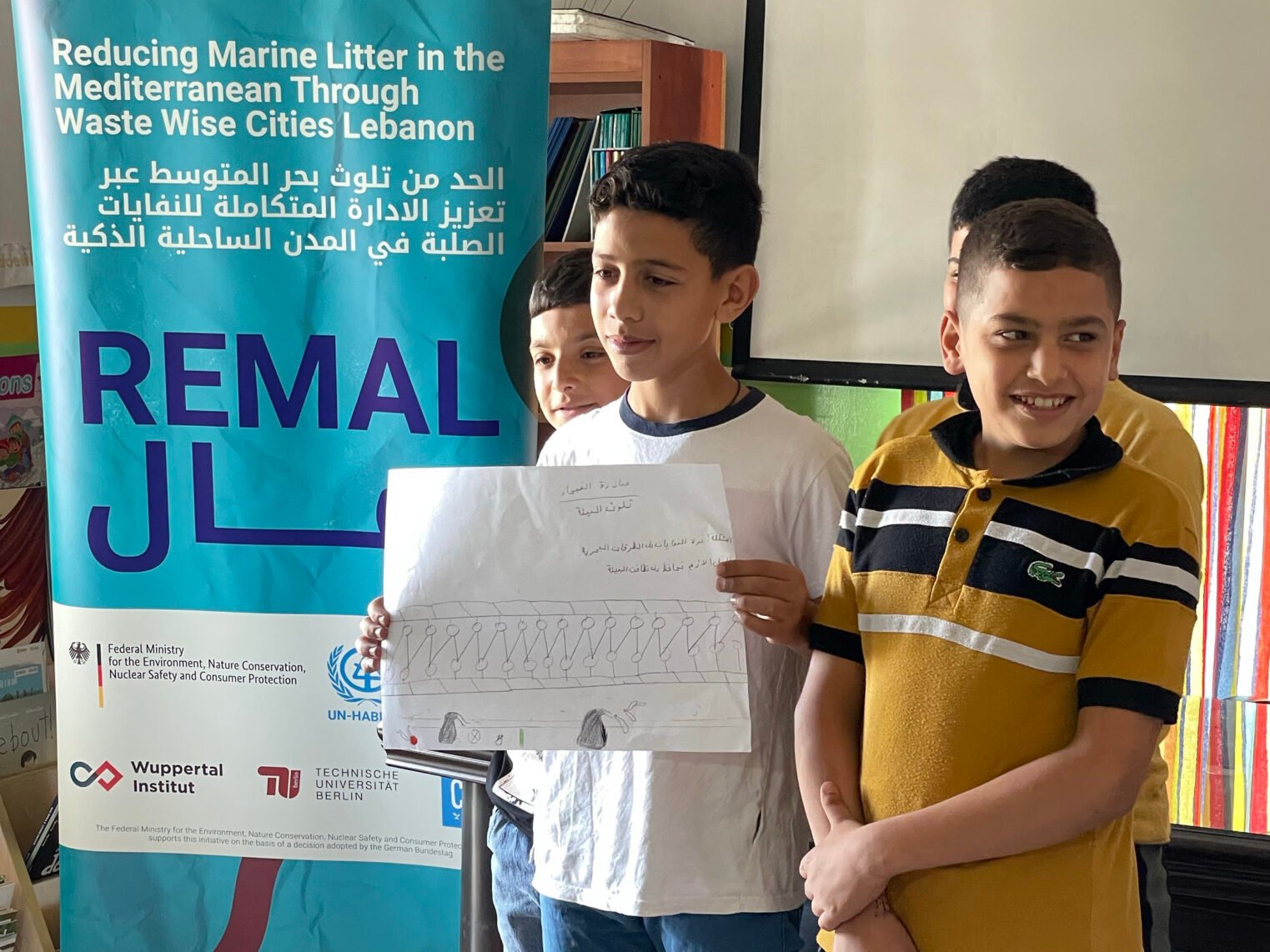
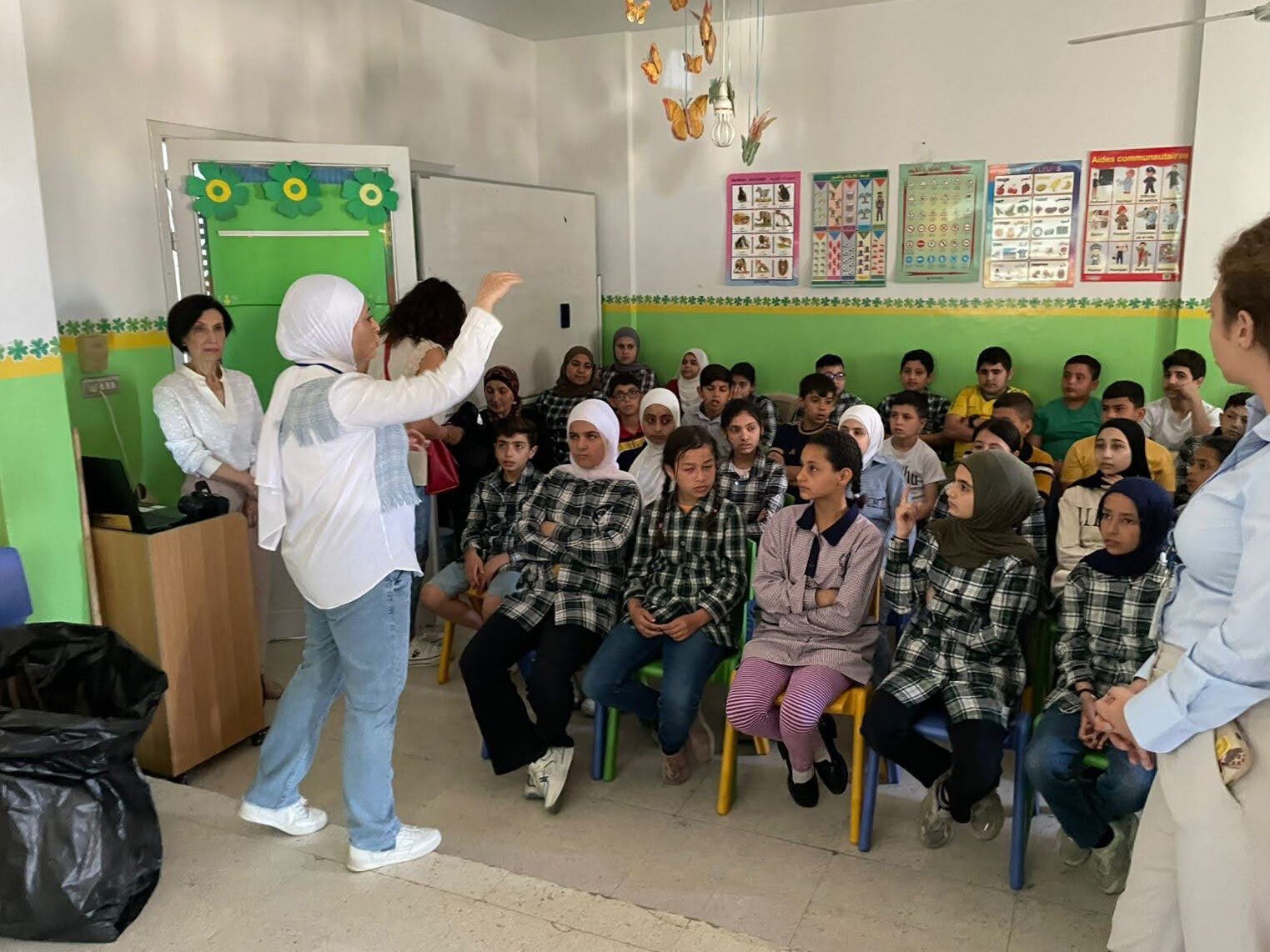
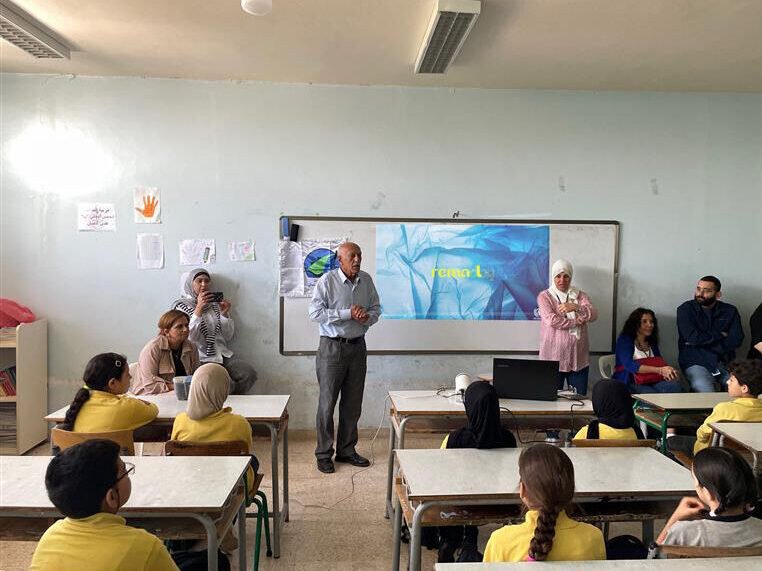
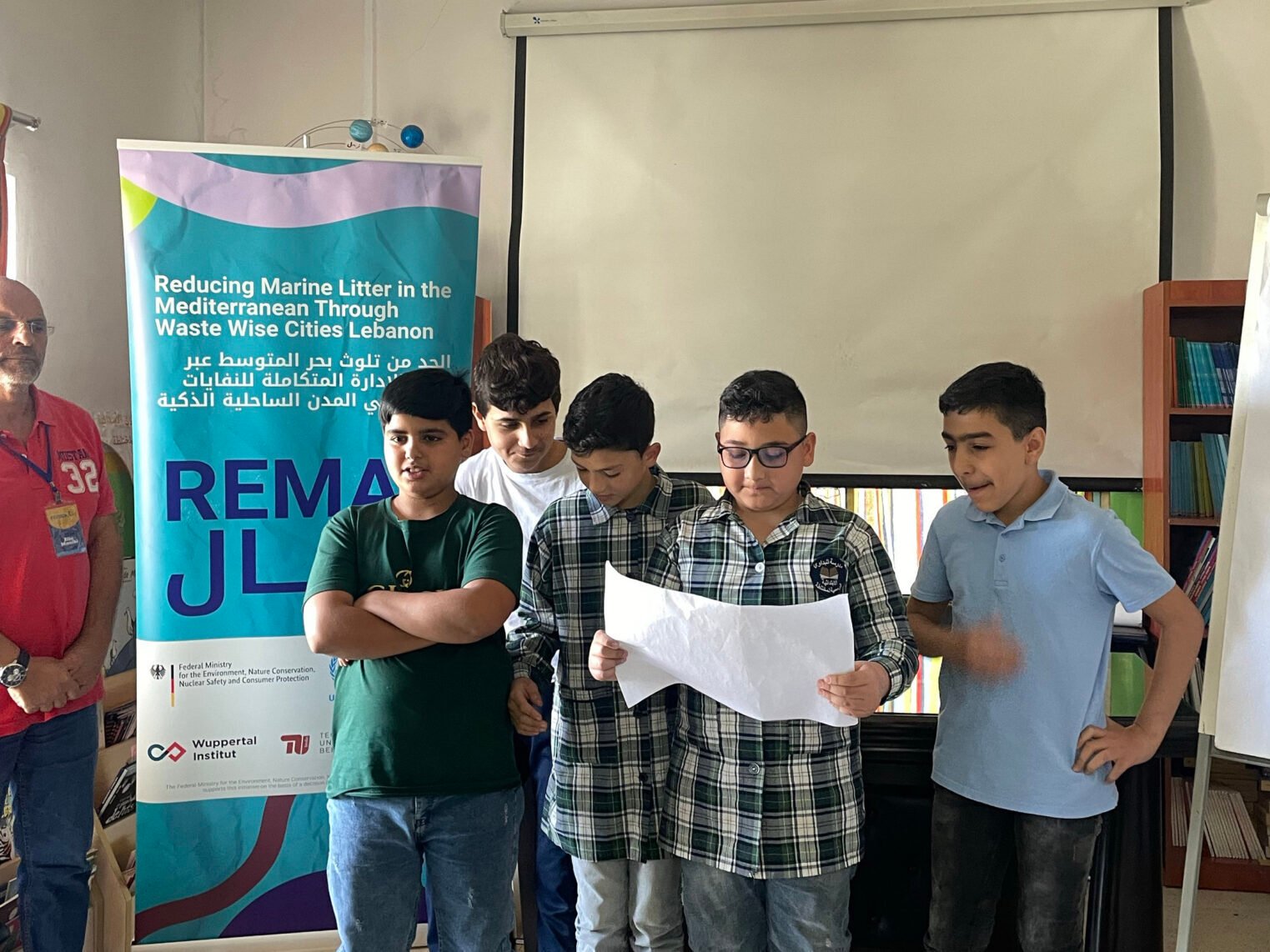
  • School awareness sessions

    Workshops highlighting the environmental, health, and economic impacts of waste generation and mismanagement.

  • Local street clean-ups

    Community-driven initiatives organised in selected Unions of Municipalities covered by the project.

  • Informal sector training

    Sessions emphasising the safe use of personal protective equipment (PPE) and proper waste-handling practices.

Expected outcome

5%

reduction in plastic waste per capita

Photo Gallery