Sanitary landfill proposed by Council of Ministers
(Decision May 2022)
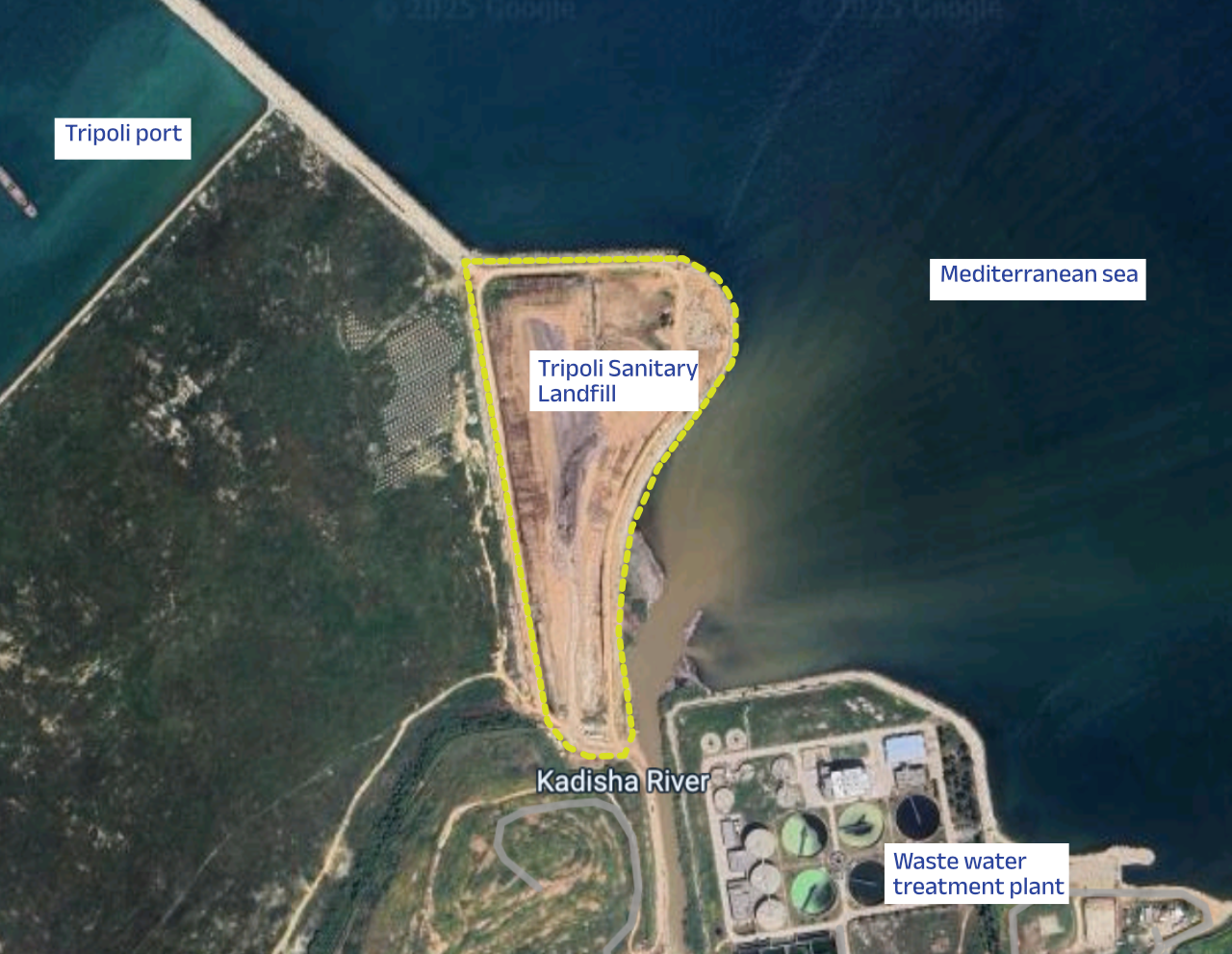 Tripoli Sanitary Landfill
Solid waste management facility
(non-operational)
Solid waste management facility
(non-operational)
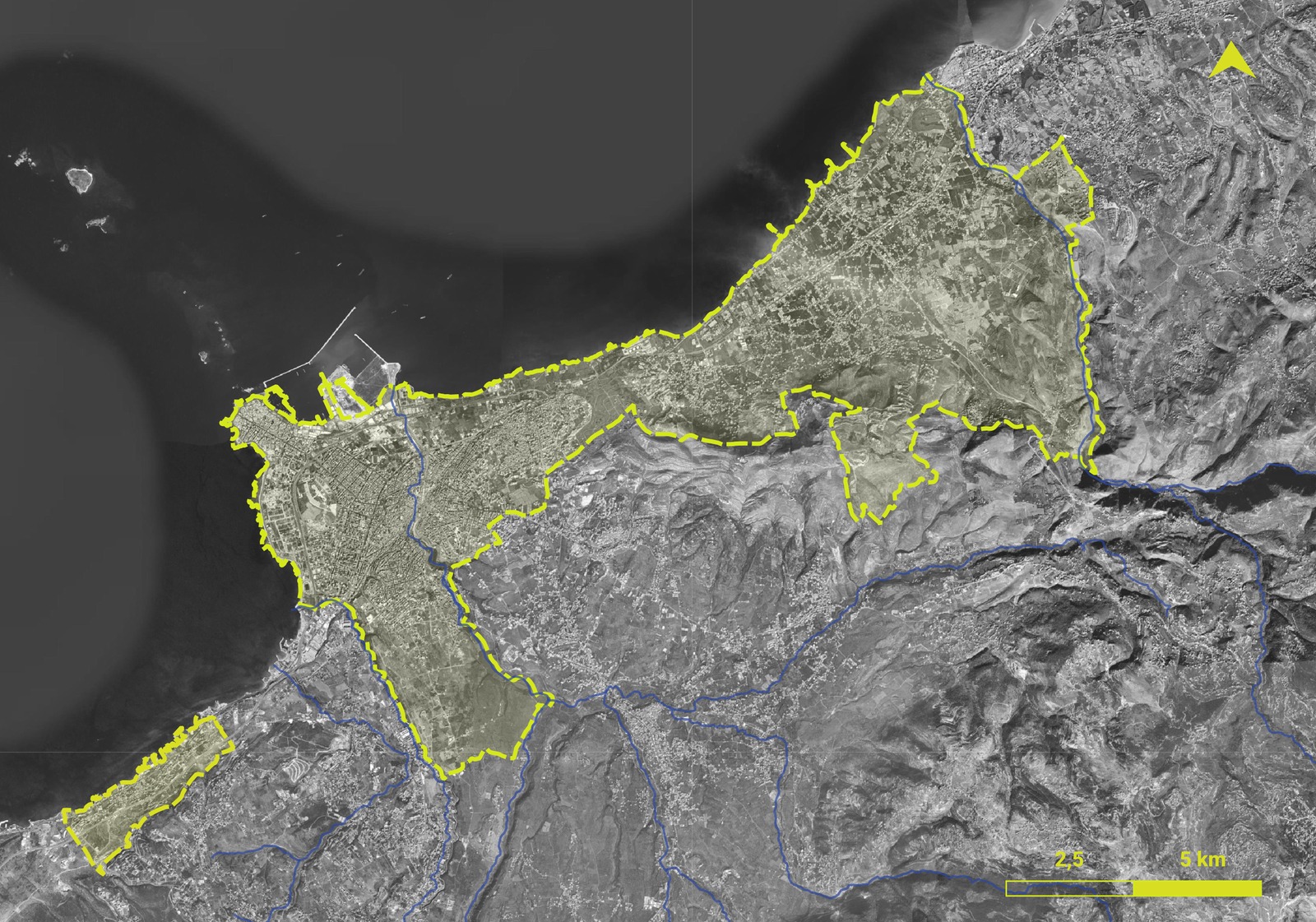
Located in the North-East part of Lebanon, the North Lebanon Governorate Service Zone 2 is composed of two Districts (Cazas): Tripoli and Miniyeh.
Service Zone 2 has a single official disposal site, the Tripoli Sanitary Landfill, which operates with controlled measures to minimise environmental pollution. Waste from the Fayhaa Union is disposed of at the Tripoli Sanitary Landfill, whereas waste from the Miniyeh Union is directed to a mix of disposal pathways, either to local dumpsites or transported to Akkar – Srar dumpsite. Around 100% of the generated waste is collected, and about 67% is managed in controlled facilities.
Approximately 46% of the waste reaching Tripoli Sanitary Landfill is organic, based on the overall MSW composition estimated using the WaCT model. This high organic fraction results in significant greenhouse gas (GHG) emissions, particularly methane, which forms when organic waste decomposes in landfills, contributing to global warming and climate change.
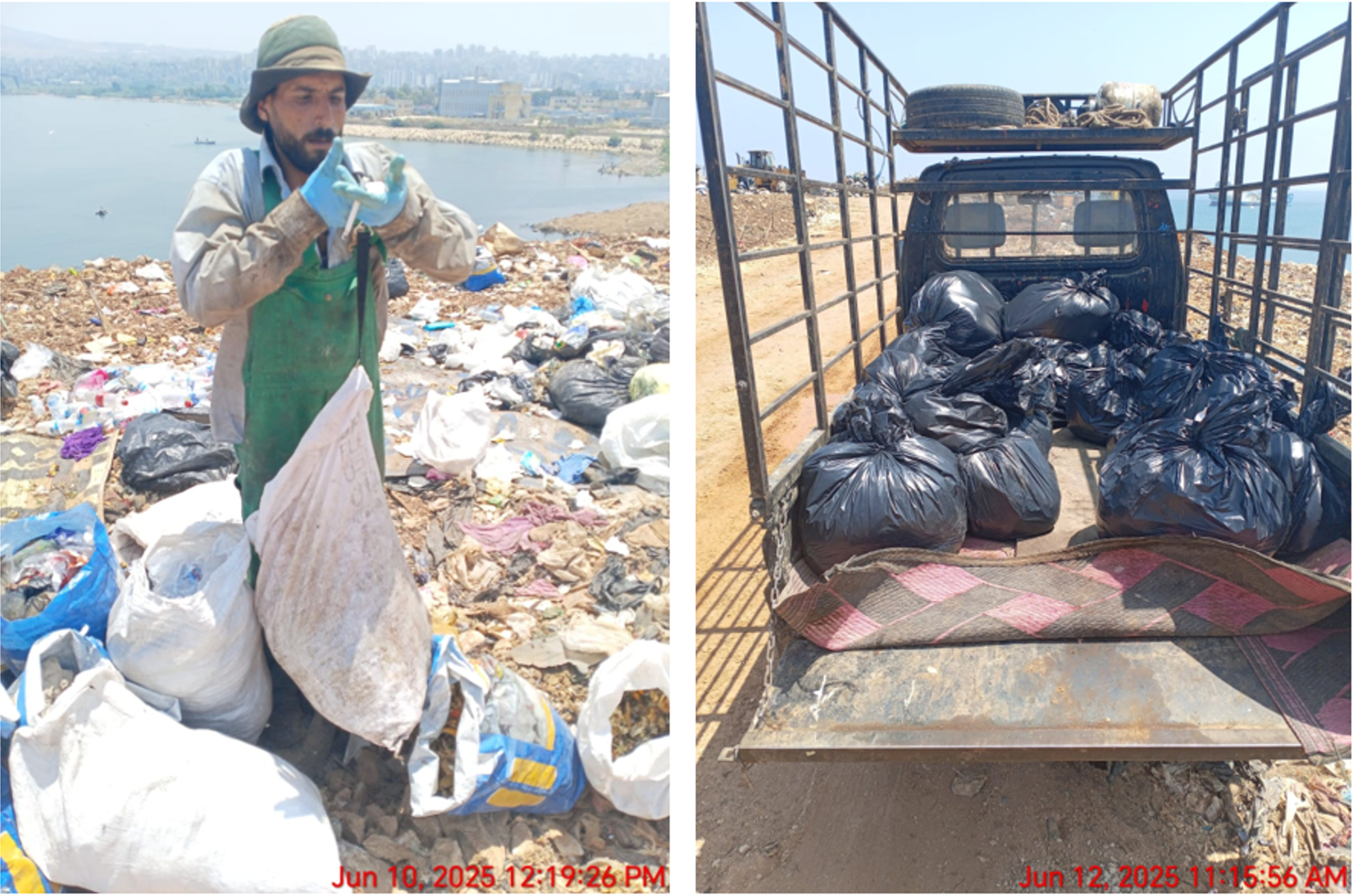
Currently, the entire waste stream in SZ2 is disposed of with no formal recovery, and although informal scavengers operate within the system, their contribution is limited, representing a very low recovery rate due to the predominance of manual sorting and inadequate infrastructure.
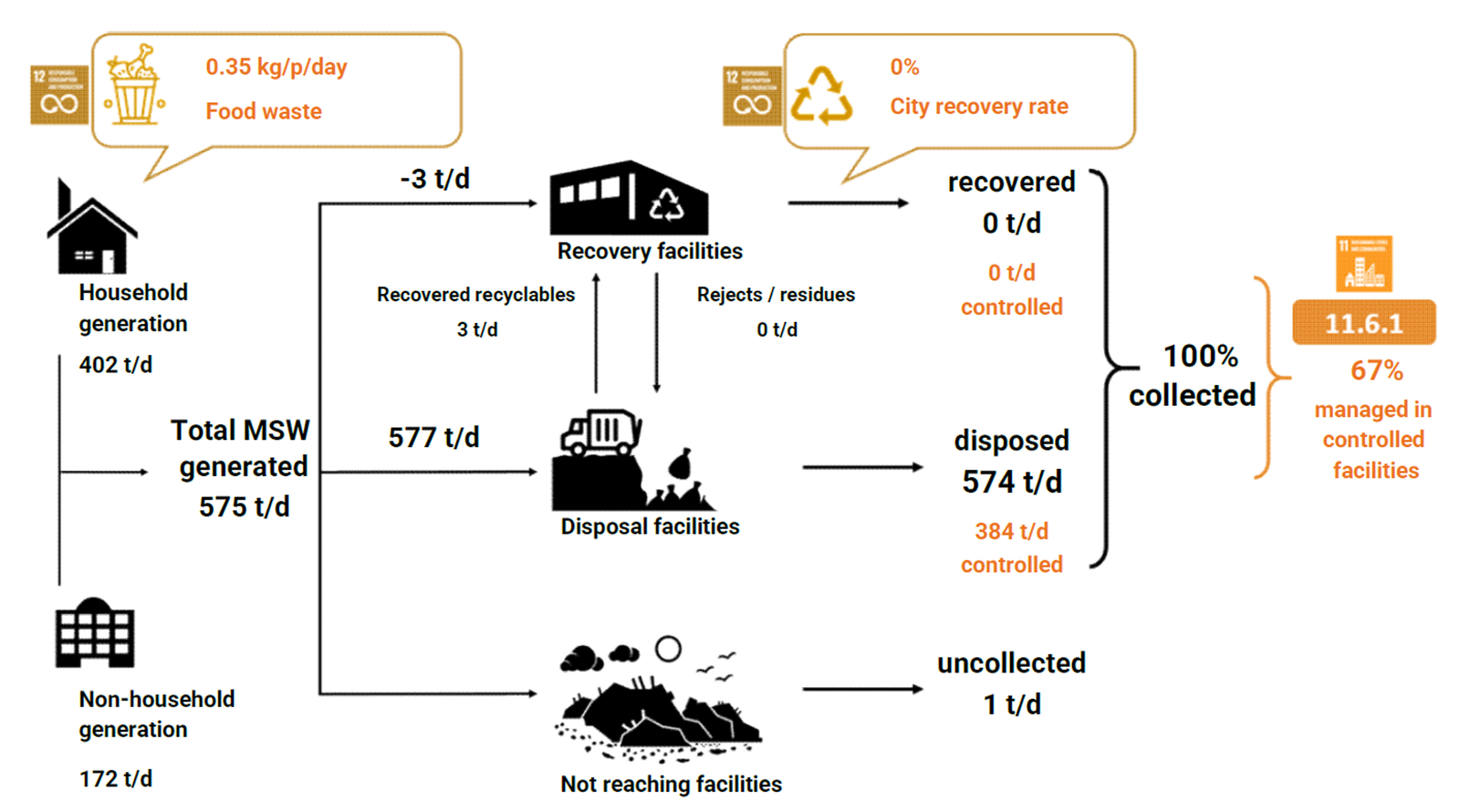
The WaCT flow chart results for the SZ provide a detailed overview of waste generation, collection, and informal recovery.
Waste removed from disposal sites by informal waste scavengers is represented by a negative value of 3 t/d at Tripoli Disposal site. In the Fayhaa Union, the municipality issues permit for up to 40 scavengers who recover recyclables.
The waste assessment indicates that the per capita waste generation in Service Zone 2 in 2025 is 0.91 kg/day, resulting in a total of 575 tonnes/day of municipal solid waste. Population and waste generation projections are essential for planning municipal solid waste management facilities, infrastructure, collection systems, and resource allocation within the Service Zone.
During June, July and August 2025, our partner Libanconsult AGM carried out a detailed waste assessment together with UN-Habitat Lebanon. Before starting the fieldwork, the team met with local authorities and community stakeholders to explain the process, align expectations, and ensure smooth coordination. Local staff also received hands-on training to support the data collection.
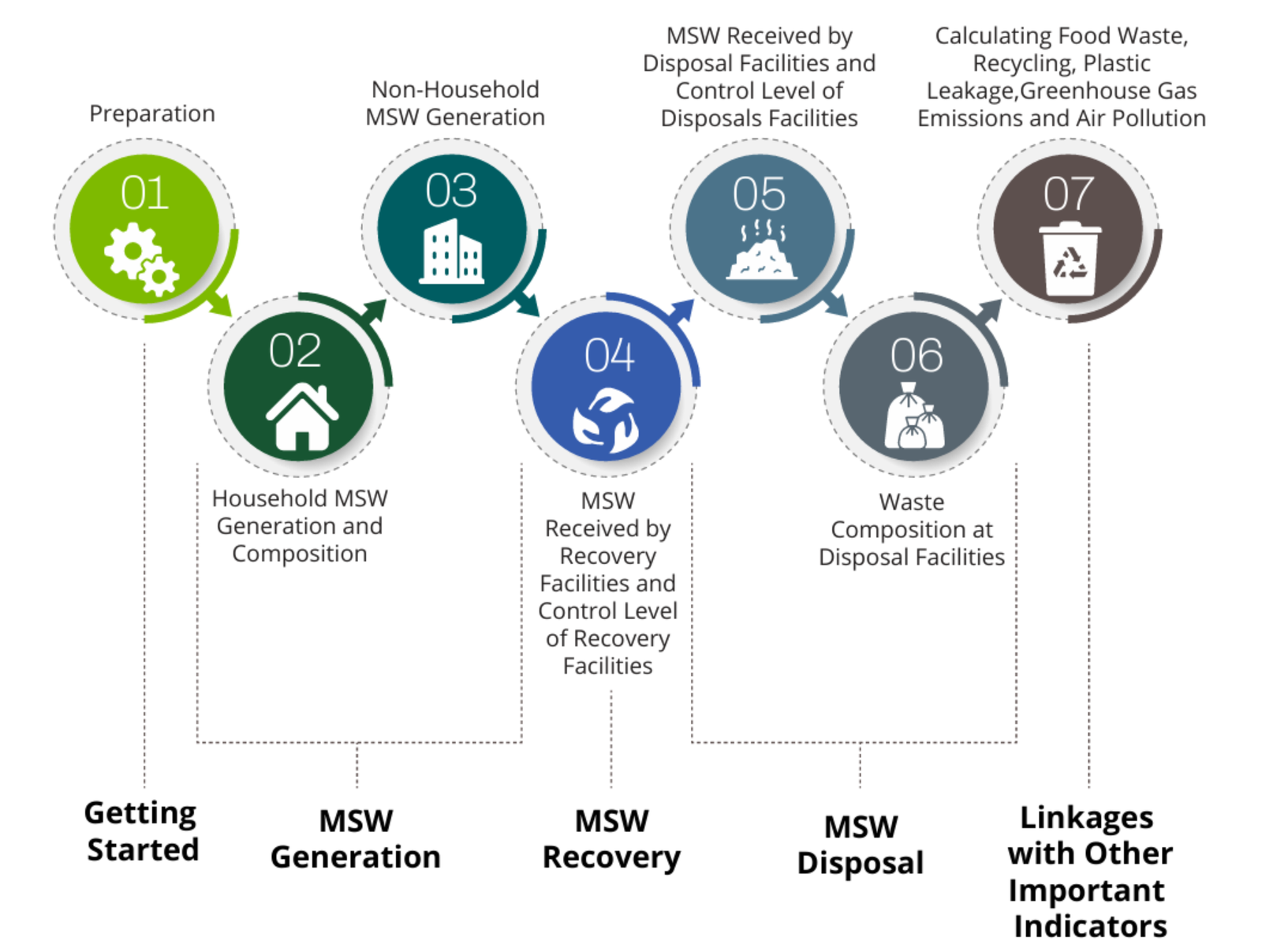
This assessment used three internationally recognised tools that help cities understand how much waste they generate, how it is handled, and where problems—such as plastic leakage—may occur. Together, these tools give a clear and up-to-date picture of the municipal solid waste system.
WaCT is a step-by-step method that helps cities measure how much of their municipal waste is safely collected and managed. It supports global Sustainable Development Goal (SDG) 11.6.1 and provides insights on food waste and resource recovery. Using WaCT, the team measured waste quantities, composition, and how waste moves through the system—from households to final disposal or recycling.
A sample of 33 households was selected across three representative sampling zones within SZ2. The selection process was guided by WaCT and refined through a socio-economic analysis conducted in coordination with local authorities.
The WFD maps what happens to waste after it is generated, with a special focus on plastics. It shows how waste flows through the system, where materials are recovered or reused, and where leakage into the environment occurs. This helps identify hotspots that require action.
WABIs offer a standardized way to evaluate how well the waste system is performing. The indicators cover both the physical aspects (collection, treatment, recycling) and the governance aspects (financial sustainability, inclusion of informal workers, and policy frameworks). These indicators help compare performance across areas and highlight key strengths and gaps.